Magog: The 5-Letter Solution to the Enduring Mystery of Reich des Gog (Old Testament)
The phrase Reich des Gog (Kingdom of Gog) evokes a sense of ancient mystery, prophetic warnings, and epic confrontations. For centuries, theologians, historians, and mythologists have grappled with its meaning, searching for clues within sacred texts and medieval lore. Yet, amidst the scholarly debates and complex interpretations, there lies a surprisingly simple, five-letter answer that consistently emerges as the key identifier for this enigmatic realm: MAGOG. This article delves into the profound significance of Magog, exploring its roots in the Old Testament, its evolution through medieval myths, and why this singular word continues to captivate minds, from biblical scholars to crossword enthusiasts.
While the German phrasing "Reich des Gog" might initially suggest a localized European context, its true origins are firmly planted in ancient Hebrew scripture. The concept transcends linguistic barriers, representing a powerful and often feared entity in prophetic tradition. Understanding Magog as the solution is more than just solving a riddle; it's unlocking a deeper comprehension of apocalyptic narratives that have shaped Western thought for millennia. Join us as we journey through time to uncover the multifaceted identity of the Reich des Gog.
Unveiling Magog: The Biblical Realm of Gog
The primary source for the Reich des Gog is the Old Testament, specifically the prophetic books of Ezekiel (chapters 38 and 39). Here, we encounter a vivid description of a future, cataclysmic conflict often associated with the "end times." It's crucial to understand the distinction between Gog and Magog as presented in these texts, a point often confused in popular understanding.
- Gog: Portrayed not as a land, but as a formidable leader, a prince of Rosh, Meshech, and Tubal. He is depicted as a powerful figure from the "uttermost north," destined to lead a vast coalition of nations against Israel. Gog is the instigator, the military commander orchestrated by divine will.
- Magog: This is where our 5-letter solution comes into play. Magog is consistently identified as the land or people from which Gog hails. It is the territory, the domain, the very Reich des Gog. While some interpretations occasionally conflate Gog and Magog, the biblical text clearly presents Magog as the geographical and ethnic origin of the leader Gog.
Ezekiel's prophecy paints a picture of Gog, from the land of Magog, leading an immense army comprising various nations (Persia, Cush, Put, Gomer, Beth Togarmah) to invade the land of Israel. The purpose of this invasion, according to the prophecy, is ultimately divine judgment, where God will intervene to display His holiness among the nations. The sheer scale and dramatic nature of this envisioned battle have made it a cornerstone of apocalyptic literature and eschatological thought.
The ambiguity surrounding the exact geographical location of Magog has fueled centuries of speculation. While the Bible points to "the uttermost parts of the north," definitive identification remains elusive. Early Jewish and Christian commentators pondered connections to various peoples, including the Scythians, a nomadic group known for their fierce warrior culture. Over time, other regions, from parts of modern-day Turkey to ancient Russia, have been proposed as the potential site of Magog. This geographical mystery only adds to the allure and enduring relevance of the Reich des Gog, allowing it to remain a potent symbol of a formidable, northern adversary.
Magog Beyond the Bible: Echoes in Medieval Myths and Lore
While its biblical roots are foundational, the concept of Magog and the Reich des Gog truly flourished and diversified within medieval myths and interpretations. This period saw scholars and storytellers weave complex narratives that expanded upon the original scripture, integrating these figures into a broader tapestry of apocalyptic fears, heroic legends, and nascent geographical understanding.
Medieval Interpretations and Expansions
During the Middle Ages, the figures of Gog and Magog became intrinsically linked to the "Gates of Alexander," a mythical barrier supposedly built by Alexander the Great to trap savage, barbarian tribes in the Caucasus Mountains. These tribes, often identified as Gog and Magog, were believed to be unleashed upon the world in the end times, signifying chaos and the prelude to the Last Judgment. This narrative, popularized through texts like the Alexander Romance, solidified Magog's image as a fearsome, imprisoned force destined for a dramatic reappearance.
Moreover, medieval cartographers, influenced by these myths, often depicted the lands beyond the known world – particularly the mysterious and dangerous north – as the dwelling place of Gog and Magog. This association amplified the sense of an unknown, menacing threat lurking at the edges of civilization, ready to emerge and wreak havoc. The fear of these "unclean nations" served as a powerful cultural touchstone, reflecting anxieties about external enemies and the fragility of human order. These medieval expansions demonstrate how the simple biblical reference to Magog evolved into a rich, symbolic powerhouse within the collective consciousness, embodying the ultimate chaotic force of the Reich des Gog.
Magog in Crossword Culture: A Linguistic Legacy
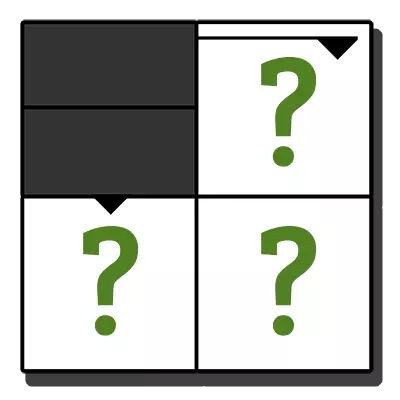
Fast forward to the modern era, and the ancient enigma of Magog finds an unexpected stage: the crossword puzzle. The consistent query "Reich des Gog (Old Testament)" or "Reich des Gog (medieval myths)" frequently yields the same elegant, five-letter solution: MAGOG. This isn't just a quirky linguistic coincidence; it underscores the profound penetration of this term into shared cultural knowledge, albeit often subconsciously.
The fact that "Magog" is a frequently sought-after answer for "Reich des Gog" in crosswords highlights its status as a recognized cultural artifact. It signifies that, despite the complexity of its origins, the connection between Gog's realm and Magog is sufficiently established to be common knowledge, even for those without deep theological expertise. For anyone struggling with such a clue, remembering this concise answer is a practical tip for solving many a challenging grid. This intersection of ancient lore and modern wordplay is a testament to the enduring power and pervasive influence of these biblical and mythological narratives.
The Enduring Significance of Reich des Gog and Magog
The narrative of the Reich des Gog and Magog continues to resonate deeply in contemporary discourse, long after its initial biblical and medieval formations. Its symbolic weight and prophetic implications mean it's far from confined to ancient texts or historical curiosities.
Modern Interpretations and Geopolitical Theories
In the modern era, particularly within eschatological circles, there are ongoing efforts to identify the present-day nations or regions that might correspond to Magog. These interpretations often reflect current geopolitical anxieties and conflicts. Historically, some have linked Magog to the Scythians, Cimmerians, or even various Turkic peoples. In the 20th and 21st centuries, interpretations have often pointed towards Russia or Central Asian republics, given their geographical location "from the uttermost north" and perceived military strength. It’s important to note that these identifications are speculative and vary widely among commentators, yet they underscore the enduring human tendency to find contemporary relevance in ancient prophecies. Regardless of the specific interpretation, Magog as the Reich des Gog remains a potent symbol of a powerful, often adversarial, force destined for a climactic encounter.
Learning from Ancient Prophecies and Myths
What can we, in the 21st century, glean from these ancient prophecies and their elaborate medieval adaptations? The story of Gog and Magog offers profound insights into human fascination with end times, the struggle between good and evil, and the role of divine intervention in history. It speaks to a universal human need to understand destiny, to interpret signs, and to prepare for an uncertain future. These narratives highlight the power of prophecy not just as a foretelling of events, but as a framework for understanding human history, morality, and the ultimate triumph of cosmic justice.
For more detailed explorations into the historical and mythological journey of this fascinating concept, consider reading about how Reich des Gog Solved: Magog in Ancient Texts & Medieval Myths, and delve deeper into Unveiling Magog: The Realm of Gog in Biblical & Mythological Lore. These resources provide further context and analysis of Magog's enduring presence in our cultural and spiritual narratives.
Conclusion
From the cryptic verses of Ezekiel to the fantastical tales of medieval cartographers and the quick-witted challenge of a crossword puzzle, MAGOG consistently emerges as the definitive, five-letter solution for the Reich des Gog. This ancient term encapsulates a rich tapestry of biblical prophecy, apocalyptic lore, and enduring mystery. It represents not merely a historical or mythical location, but a powerful symbol of a formidable, world-changing force that has captivated human imagination for millennia. Understanding Magog is key to unlocking a deeper appreciation for the narratives that have shaped our cultural and religious landscape, reminding us that even the most complex questions can sometimes have a surprisingly simple answer.